Polio Things explores the history of polio-related disability in Britain and Kenya since 1947, particularly in relation to lived experiences and objects.
I’m Charlotte Stobart, a PhD researcher at the University of Cambridge in the department of the History and Philosophy of Science.
My research explores diagnosis, rehabilitation and surgery, community and care, assistive technology and the body, identity and post-polio syndrome and polio futures.
A central part of this project has been interviewing people with polio related disabilities about their experiences, in both Britain and Kenya. I have worked closely with the British Polio Fellowship and Disabled Empowerment Society of Kenya.
This website contains information about material culture related to polio (Polio Objects), stories of individuals with polio-related disabilities (Polio Stories) and my research in Kenya (Kenya Fieldnotes).
Latest posts

What is polio?
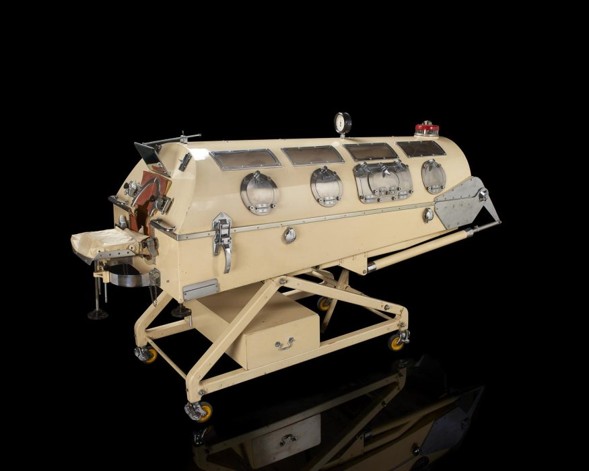
Polio is an infectious viral disease which is primarily spread faecal-orally. It can cause lifelong paralytic disability, often in the limbs or, in extreme cases, the respiratory muscles.
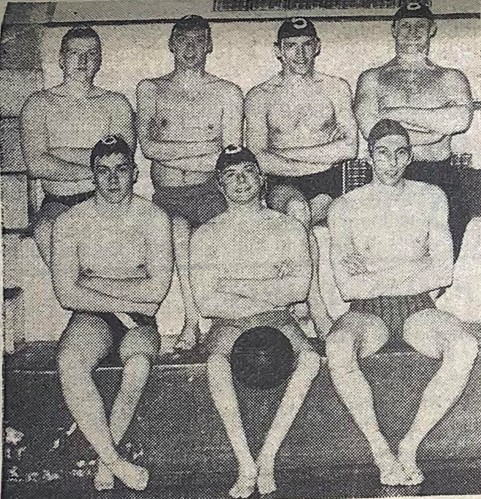
There were major outbreaks in Britain between 1947 and 1960, but cases declines due to mass vaccination programmes, using the 1956 inactivated and 1962 oral vaccine. In Kenya, the first major epidemic was in 1954, and despite use of the inactivated vaccine in 1957 and the oral vaccine in 1960, cases continued to fluctuate during the following decades, unlike the steady decline seen in Britain.
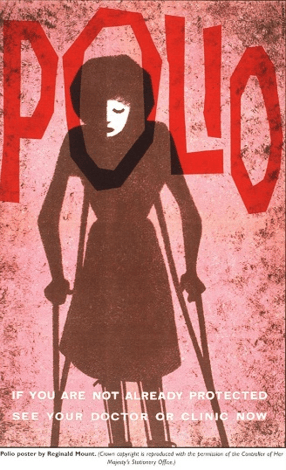
Whilst wild type polio (not derived from the oral vaccine) is now endemic only to Afghanistan and Pakistan, there are still an estimated 20 million people globally living with polio-related disabilities. Around 50,000 of these people live in Britain, with numbers in Kenya remaining more challenging to accurately assess.
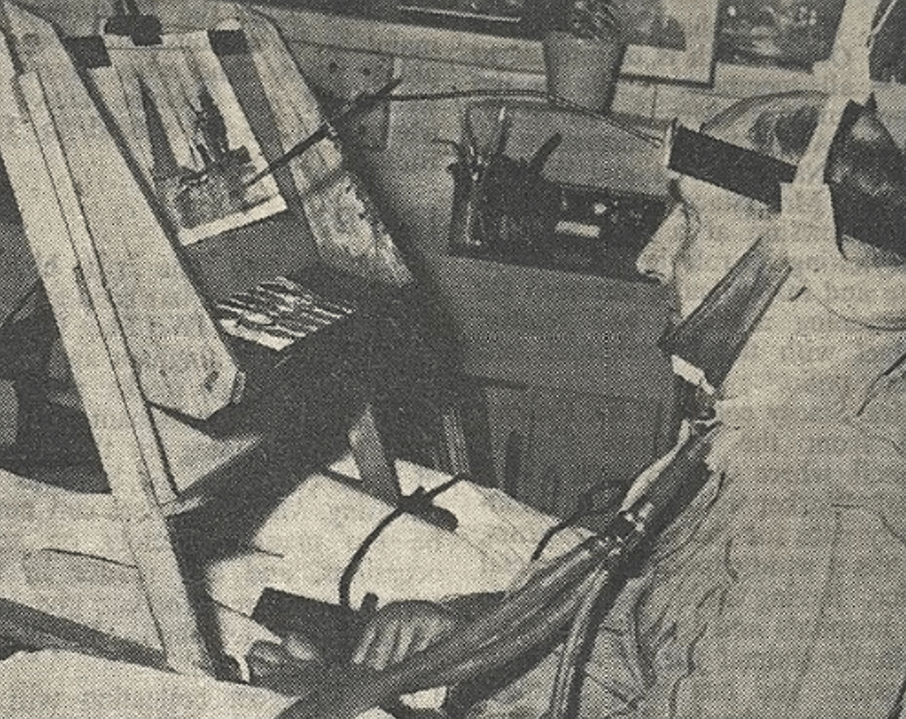
Up to 75 percent of people contract a condition known as Post Polio Syndrome, between 10 and 40 years after the initial infection. This is characterised by weakness, fatigue, muscle atrophy and pain and is often described as feeling like polio ‘for a second time’.
Why Britain and Kenya?
Wild type polio was eradicated in both Britain and Kenya in 1984. However, it remains a present issue in Kenya due to imported cases and incomplete immunisation coverage, which mean there continue to be circulating vaccine-derived strains.
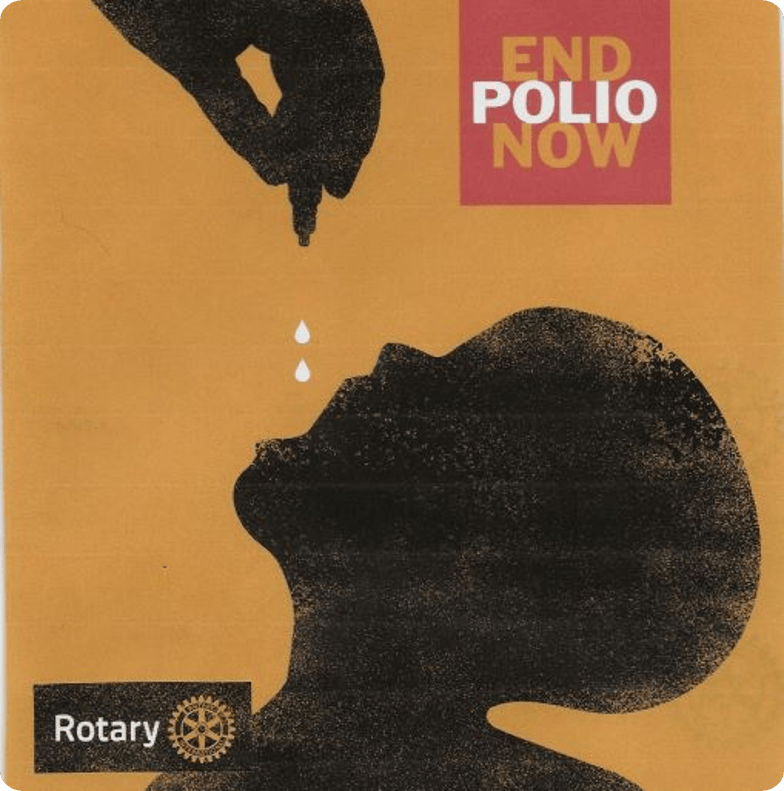
Kenya became a British Colony and Protectorate in 1920. Colonial rule was justified by the ‘civilising mission’, founded around racialised notions of European superiority. There was resistance from the colonised Kenyan population, particularly the Mau Mau uprising (1952-1960). Kenyan independence was achieved in 1963, under President Jomo Kenyatta, though many colonial structures endured.
This project considers how experiences of polio-related disability in Britain and Kenya differed between distinct social and cultural contexts. More importantly, it considers how they were connected and how they shaped each other, including through the bidirectional movement of people, goods, technologies, aid and medical knowledge.
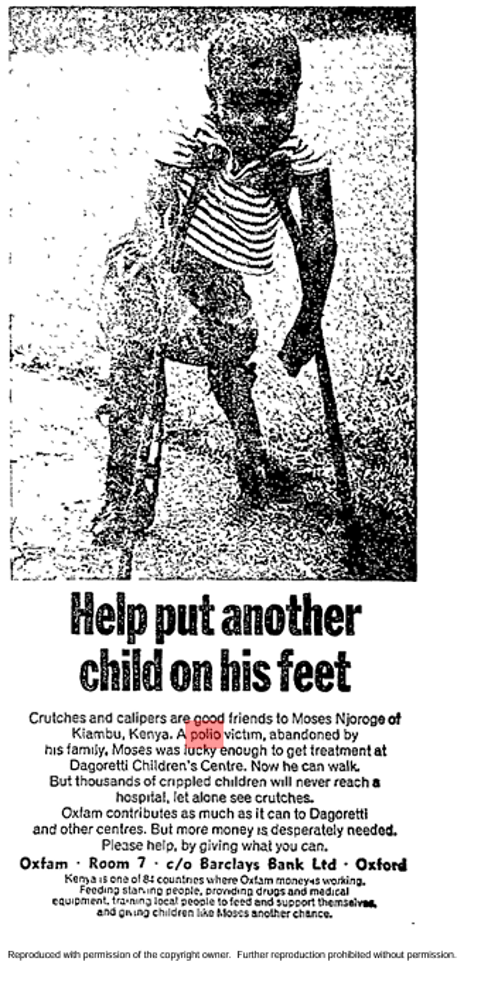
 poliothings